

Ultra-high pressure sterilization technology usually uses pressures above 100MPa to sterilize at room temperature or lower temperatures. What exactly happens when the pressure reaches 600MPa?
From the perspective of cell structure, we can imagine pathogen cells as a small balloon filled with liquid. Under normal pressure, this "small balloon" has a stable structure and can survive and reproduce normally. However, when the ultra-high pressure of 600MPa hits, the situation is completely different. The strong pressure is like an invisible big hand, squeezing the cells tightly. The cell wall and cell membrane, as the "protective barrier" of the cell, cannot withstand such huge pressure and begin to rupture. Just like a balloon is over-squeezed and the outer skin is damaged, the substances in the cell leak out, which makes the pathogen lose the basic conditions for survival.
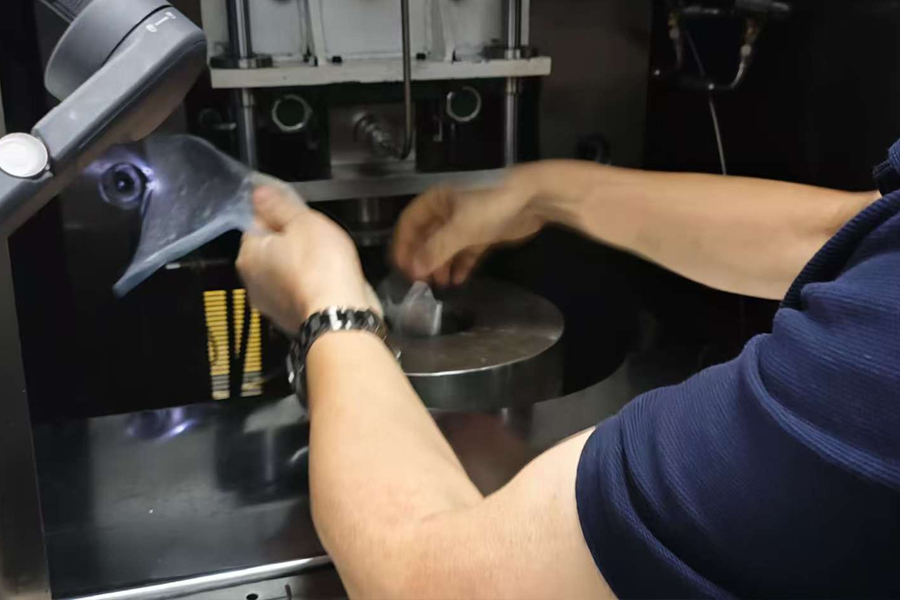
Going deeper into the molecular level, proteins and enzymes are key substances for pathogens to maintain life activities. They have specific structures and functions. Ultra-high pressure will destroy non-covalent bonds such as hydrogen bonds, ionic bonds, and hydrophobic bonds in proteins. This is like a carefully built building block castle. Under the shaking of ultra-high pressure, the connection between the building blocks is destroyed and the castle gradually collapses. After the high-level structure of the protein is destroyed, it cannot function normally, and the enzyme is inactivated. Without the support of these key substances, pathogens cannot carry out life activities such as metabolism and reproduction, and can only die.
In practical applications, ultra-high pressure sterilization technology has shown many advantages. For the food industry, it avoids the loss of nutrients and flavor changes caused by traditional high-temperature sterilization. When using ultra-high pressure food homogenizers and ultra-high pressure homogenization equipment for processing, it can not only kill pathogens in food, but also retain the original flavor and nutrition of food to the greatest extent, meeting consumers' dual pursuit of health and deliciousness. For products produced by cosmetic emulsifying homogenizers, ultra-high pressure sterilization technology can also ensure that the products maintain good quality and stability in a sterile environment.
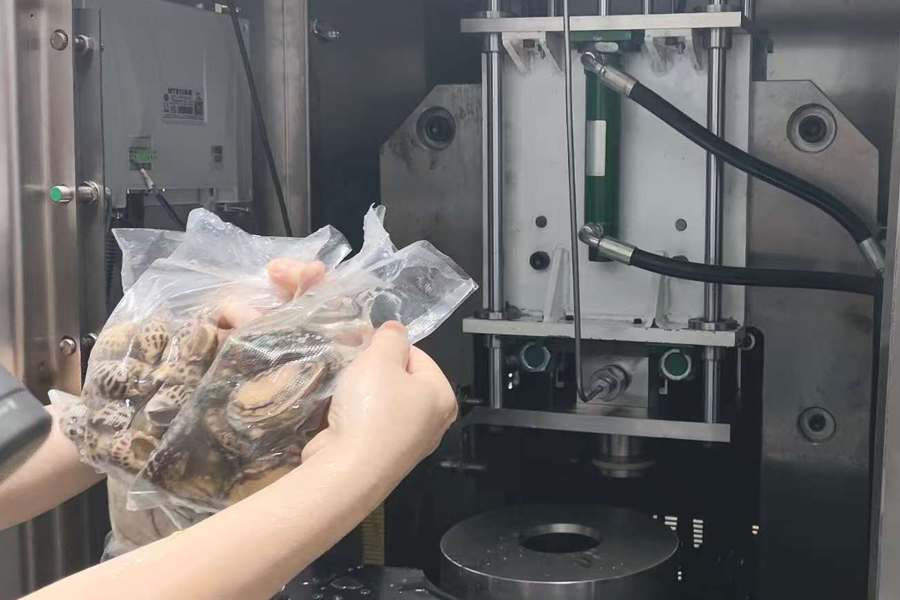
Ultra-high pressure sterilization technology (HPP) effectively kills 99.9% of pathogens by physically destroying cell structures and acting at the molecular level under ultra-high pressure of 600MPa. With the continuous development and maturity of technology, it is believed that it will play an important role in more fields and bring more protection to our lives and production.