

According to Dr. V.M. Balasubramaniam, Professor of Food Engineering at The Ohio State University and a leading authority on HPP technology, "High Pressure Processing offers the food industry a remarkable tool to enhance food safety while preserving the sensory and nutritional characteristics that consumers demand in fresh foods." The U.S. Food and Drug Administration (FDA) and the USDA have recognized HPP as an effective intervention technology for controlling foodborne pathogens, further validating its importance in modern food processing.
The global HPP food market was valued at approximately $15.5 billion in 2024 and is projected to grow significantly in the coming years as consumers increasingly seek minimally processed foods with clean labels and extended shelf life. This article aims to demystify HPP technology, explain its working principles, applications, benefits, and limitations for general readers interested in food processing innovations.
How Does High Pressure Processing (HPP) Work?
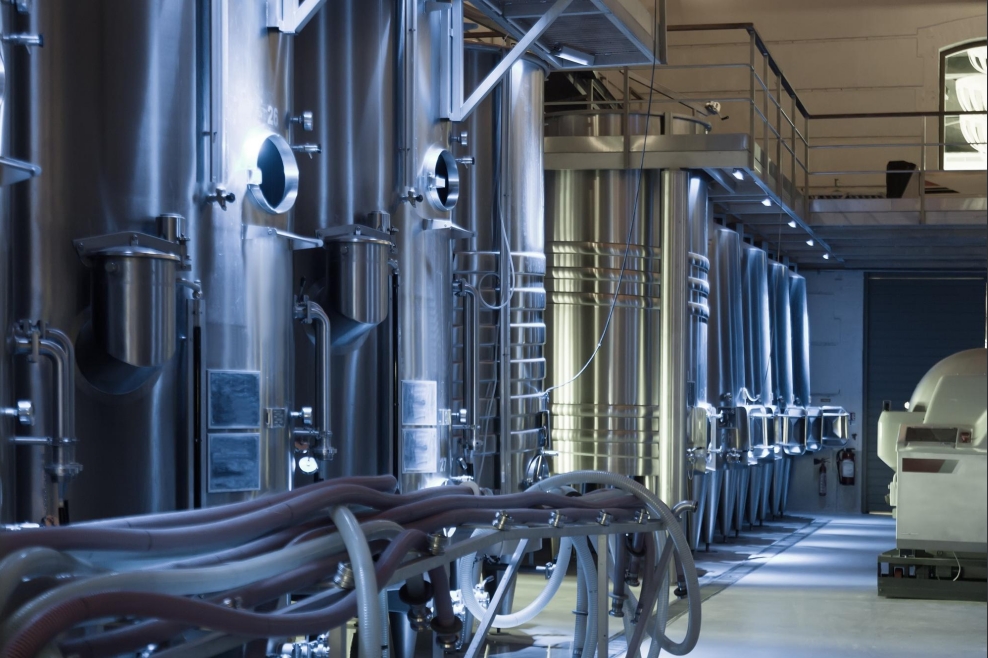
HPP employs the principle of isostatic pressure, where pressure is applied uniformly from all directions. During the process, pre-packaged food products are placed in a vessel filled with water, which serves as the pressure-transmitting medium. The vessel is then sealed, and high pressure is generated through pumps that compress the water. This pressure is transmitted instantaneously and uniformly throughout the food product, regardless of its size, shape, or composition.
The high pressure disrupts the cellular structures of pathogenic microorganisms by affecting their cell membranes, proteins, and enzymes, ultimately leading to their inactivation. What makes HPP particularly valuable is its ability to target microorganisms without significantly altering the molecular structure of food components responsible for nutritional value, flavor, and texture. This is because HPP primarily affects non-covalent bonds (such as hydrogen bonds) while leaving covalent bonds largely intact.
How to Process Food Through High Pressure Processing (HPP)?
Below is a step-by-step rundown of the HPP process:
1. Product Preparation: Food products are prepared according to standard manufacturing practices and packaged in flexible, water-resistant containers that can withstand high pressure. These are typically made from polymeric materials with good barrier properties.
2. Loading: The packaged products are loaded into the pressure vessel, which is then sealed.
3. Pressure Application: Water in the vessel is pressurized, typically to 300-600 MPa, using high-pressure pumps. The pressure is maintained for a specific holding time, usually ranging from 1 to 5 minutes, depending on the product type and desired microbial reduction.
4. Decompression: After the holding time, the vessel is decompressed to atmospheric pressure.
5. Unloading: The treated products are unloaded from the vessel and are ready for distribution.
The entire HPP cycle typically takes 3-10 minutes, making it a relatively quick process compared to some traditional methods. Modern HPP systems can process several thousand pounds of food per hour, making it commercially viable for large-scale food production.
Applications of High Pressure Technology in Food Industry
HPP technology has been successfully implemented across numerous food categories:
● Juices and beverages: Cold-pressed juices, smoothies, coconut water, and other premium beverages
● Meat products: Ready-to-eat deli meats, sliced ham, sausages, and other processed meats
● Seafood: Shellfish (especially oysters), lobster, and crab meat
● Avocado products: Guacamole, avocado puree, and other avocado-based products
● Ready-to-eat meals: Prepared salads, dips, and meal components
● Dairy products: Certain cheeses, yogurts, and dairy-based spreads
● Wet pet food: Premium refrigerated pet food products
Effects and Benefits of High Pressure Food Precessing
Food Safety Enhancement
HPP effectively inactivates numerous foodborne pathogens, including:
● Bacteria: Listeria monocytogenes, Escherichia coli O157, Salmonella, Vibrio, and other vegetative cells
● Parasites: Complete inactivation of parasites like Cryptosporidium and Anisakis
● Viruses: Significant reduction of norovirus and hepatitis A virus
According to a study published in the Journal of Food Protection, HPP can achieve a 5-log reduction (99.999%) of Listeria monocytogenes in ready-to-eat meat products, substantially exceeding USDA food safety requirements.
Quality Retention
Unlike thermal processing, HPP offers significant advantages for food quality:
● Nutritional preservation: Retention of vitamins, minerals, and bioactive compounds
● Sensory attributes: Preservation of fresh-like flavor, color, and texture
● Clean label potential: Reduction or elimination of chemical preservatives
Research conducted by the Institute of Food Technologists has demonstrated that HPP-treated fruit juices retain up to 95% of vitamin C compared to only 65-70% in heat-pasteurized products.
Extended Shelf Life
HPP typically extends product shelf life by 2-10 times compared to non-processed alternatives:
● Fresh juices: from 3-5 days to 30-45 days
● Guacamole: from 3-7 days to 30-60 days
● Ready-to-eat meats: from 30-60 days to 90-120 days
This extended shelf life reduces food waste throughout the supply chain while maintaining product freshness.
Commercial and Environmental Benefits
Beyond direct food quality and safety benefits, HPP provides:
● Reduced energy consumption: Approximately 30% less energy usage compared to thermal processing
● Market expansion opportunities: Extended shelf life enables broader distribution
● Premium positioning: HPP often serves as a quality differentiator in the marketplace
● Reduced food waste: Longer shelf life contributes to sustainability goals
Limitations of High Pressure Processing (HPP)
Technical Constraints
Despite its numerous advantages, HPP technology has inherent limitations:
● Bacterial spore resistance: Most bacterial spores survive standard HPP treatments, limiting applications for low-acid foods
● Enzyme inactivation challenges: Some quality-degrading enzymes remain active after HPP treatment
● Solid food applications: HPP is less effective for foods with limited moisture content or air pockets
● Processing capacity: Batch nature of the process creates throughput limitations compared to continuous thermal systems
Economic Considerations
The adoption of HPP technology involves significant financial considerations:
● Capital investment: Industrial HPP equipment typically costs $1-3 million, creating barriers for smaller producers
● Operational costs: Higher processing costs (approximately $0.05-0.10 per pound of product) compared to thermal processing
● Specialized maintenance: Equipment requires specialized technical support and maintenance
Consumer Perception and Regulatory Status
Additional challenges include:
● Consumer awareness: Limited public understanding of HPP compared to conventional processing methods
● Regulatory variations: Different approval requirements across international markets
● Cold chain requirements: HPP products generally require refrigeration throughout distribution
Conclusion
High Pressure Processing represents a significant advancement in food preservation technology, offering a solution that aligns with modern consumer demands for minimally processed, clean-label foods with extended shelf life. By effectively addressing food safety concerns while preserving nutritional and sensory qualities, HPP has secured its place in the food industry's toolkit.
As food manufacturers continue to explore innovative ways to meet consumer expectations for fresh, nutritious, and convenient food options, HPP stands out as a technology that bridges the gap between safety, quality, and sustainability. If you want to know more about HPP juices and beverages and the multiple benefits that this technology can provide to your products, please Contact Us for personalized consultation and solutions tailored to your specific needs.
FAQs
Q: Is HPP-treated food safe to consume?
A: Yes, HPP-treated food is extremely safe. The process effectively inactivates harmful bacteria and viruses without using chemicals or heat. HPP has been rigorously tested and is approved by food safety authorities worldwide, including the FDA and USDA.
Q: Does HPP affect the nutritional value of food?
A: HPP has minimal impact on the nutritional profile of foods. Unlike heat treatment, which can degrade vitamins and antioxidants, HPP preserves most nutrients because it doesn't break the covalent bonds in molecules. Studies show that HPP-treated products retain more vitamins, minerals, and bioactive compounds compared to thermally processed foods.
Q: How can I identify HPP-treated products in the store?
A: Many HPP-treated products are labeled with terms like "cold-pressed," "high-pressure processed," or "HPP." These products are typically found in the refrigerated sections and have longer shelf lives than their non-HPP counterparts while maintaining fresh-like qualities without added preservatives.
Q: Is HPP considered a form of pasteurization?
A: HPP is often referred to as "cold pasteurization" because it achieves similar microbial inactivation as thermal pasteurization but without applying heat. This distinction is important because HPP preserves temperature-sensitive components like vitamins and flavor compounds that would otherwise be degraded during heat treatment.
Q: Can HPP be used for organic food products?
A: Yes, HPP is approved for use in organic food production by most organic certifying bodies, including the USDA National Organic Program. Since HPP is a physical process that doesn't add any substances to food, it aligns with organic principles of minimal processing and avoiding chemical additives.