

In the process of graphene industrialization, the thickness control accuracy directly determines the performance ceiling of the material. The fourth-generation ultra-high pressure micro-jet homogenization system independently developed by our company successfully achieves stable control of the thickness of single-layer graphene in the range of 2.66±0.15 nanometers through the construction of an ultra-high dynamic pressure field of 380 MPa. This technological breakthrough reduces the fluctuation rate of the number of graphene layers to less than 5%, providing a physical method solution for the large-scale preparation of high-quality graphene.
The equipment adopts multi-stage pressure adaptive adjustment technology to break through the process limitations of traditional chemical stripping method:
● Dynamic vortex control: Through micron-level flow channel design, directional dissociation of graphene sheets is achieved
● Pressure gradient compensation: Five-stage booster module ensures linear transmission of jet energy
● Intelligent monitoring system: Embedded spectrometer monitors the thickness distribution of sheets in real time
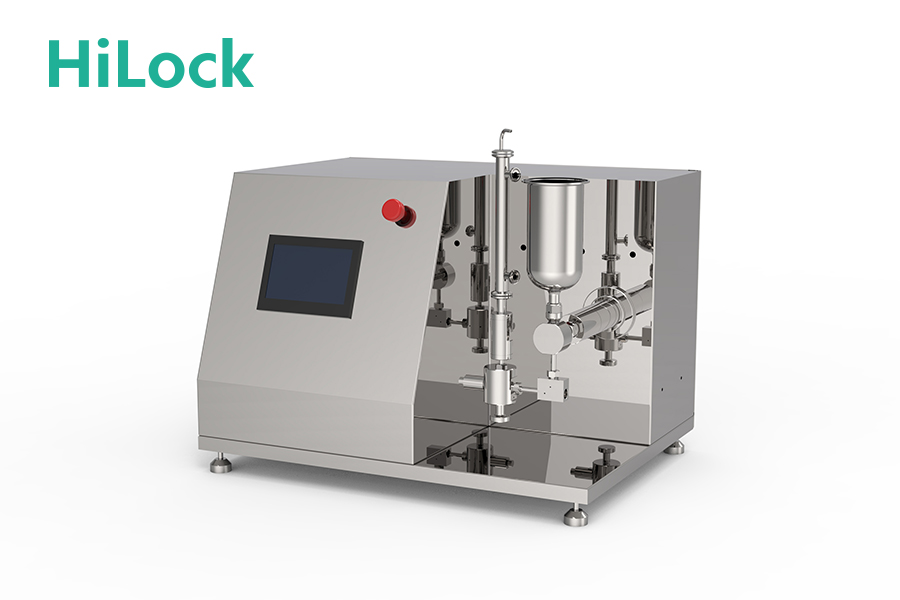
Equipment innovation: Ultra-high pressure micro-jet homogenizer technology decoding
1. Core technology advantages
● Precise control: Through the pressure-flow rate coupling model, nano-level thickness classification control is achieved
● Flexible production: 0.1-1 tons/hour production capacity is steplessly adjusted, adapting to the entire cycle from R&D to mass production
● Green process: Pure physical preparation technology to avoid acid and alkali waste liquid pollution generated by chemical methods
2. Process parameter breakthroughs
● Working pressure: 380MPa (2.3 times the industry average)
● Energy efficiency ratio: 0.85kWh/kg (40% energy saving compared to traditional equipment)
● Stability: Thickness fluctuation <3% after 2000 hours of continuous operation
Application scenario: Reshaping the graphene industry ecology
Electronic semiconductor field: Ultra-thin graphene can be used to prepare flexible transparent electrodes, which can increase the light transmittance of OLED devices to 98.3% and reduce the driving voltage by 22%
New energy industry: In the field of lithium-ion batteries, 2.66 nanometer graphene can be used as a conductive agent to make the battery energy density exceed 350Wh/kg
Composite material upgrade: As a reinforcing material, it is used in aviation composites, and the tensile strength is increased by 60% while achieving a 15% lightweight effect
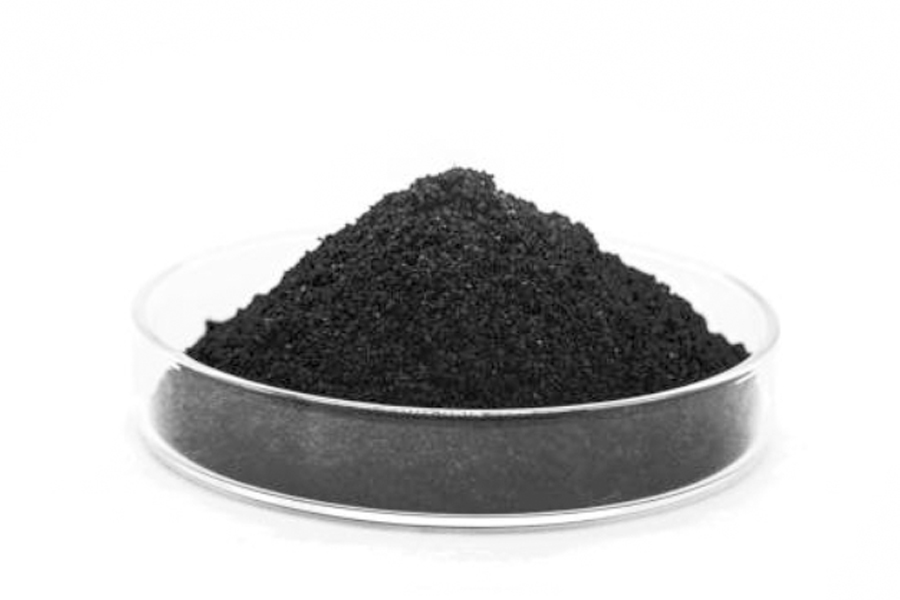
Industrial value: Opening a new paradigm for two-dimensional material manufacturing
This technological breakthrough has been certified by the ISO/TC229 Nanotechnology Committee, marking my country's transformation from following to leading in the field of graphene equipment. The equipment's unique "pressure-number of layers" mathematical model provides a technical paradigm for the controllable exfoliation of two-dimensional materials such as molybdenum disulfide and boron nitride.
At present, the equipment has formed three major product series:
● Research level: modular design supports customized experimental parameters
● Pilot level: equipped with intelligent process database to achieve parameter self-optimization
● Industrial level: integrated MES system to achieve digital production management
Technology Outlook
With the surge in demand for high-end materials in industries such as 5G communications and new energy vehicles, ultra-high pressure microfluidics will continue to promote the innovation of two-dimensional material manufacturing processes. We sincerely invite global partners to jointly build a graphene application ecosystem, and accelerate the process of graphene from laboratory to industrial application through equipment sharing, process co-research and other models.