

In the fast-paced life, pre-prepared meals have become the new favorite on the dining tables of thousands of families. When we pursue the convenience of "serving dishes in 3 minutes", how can we have both deliciousness and safety? An innovative experiment on boiled lamb is opening a subversive page for the pre-prepared meal industry - low temperature ultra-high pressure processing technology (HPP), using technology to redefine the quality boundary of pre-prepared meals.
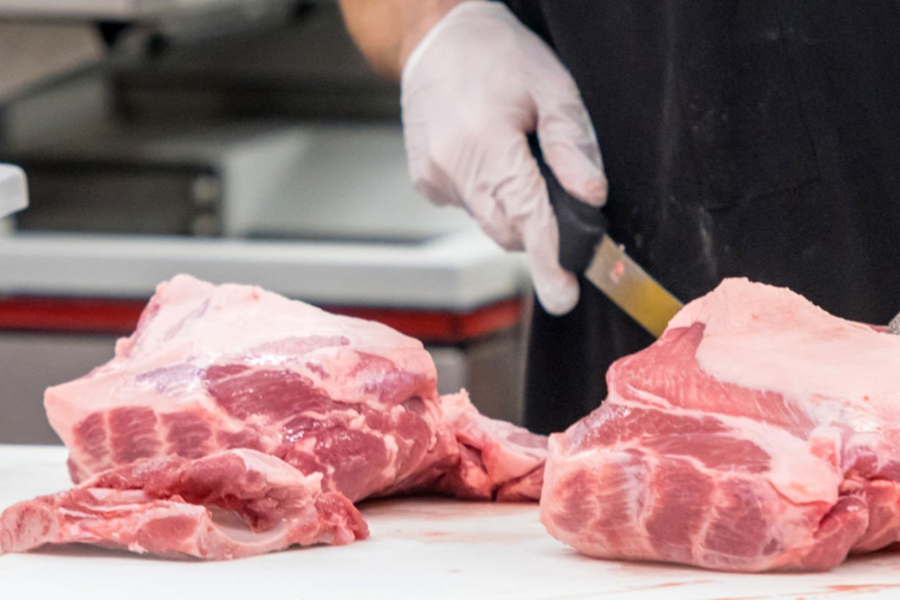
The dilemma of traditional sterilization: the "double sacrifice" of deliciousness and nutrition
Imagine a boiled lamb: the tender meat slices are soaked in rich soup, which should be a treat on the tip of the tongue. But traditional thermal sterilization technology (such as high temperature sterilization and pasteurization) is like a "double-edged sword" -
The taste is broken: high-temperature steaming not only makes the meat hard and the soup turbid, but also may destroy the natural tenderness of the meat;
● Nutritional loss: heat-sensitive ingredients such as vitamins and amino acids "fade" at high temperatures;
● Preservative dependence: In order to extend the shelf life, some products have to add chemical preservatives, which deviates from the original intention of health.
How to find the perfect balance between sterilization and quality? Innovators in the food industry have set their sights on non-thermal sterilization technology, and HPP is the "dark horse" among them.
HPP technology: Protecting natural flavor with high pressure
HPP (High Pressure Processing, low-temperature ultra-high pressure processing technology) is a food black technology that has emerged in recent years. It is like a "gentle sterilizer", quietly completing three missions under a hydrostatic pressure of 100-600MPa:
● Precision sterilization: destroy the cell structure and enzyme system of microorganisms through high pressure, and efficiently inactivate pathogenic bacteria such as Escherichia coli and Staphylococcus aureus;
● Low temperature protection: low temperature treatment throughout the process (usually ≤40℃), to maximize the retention of the color, flavor and nutrients of the ingredients;
● Green and safe: no high temperature or chemical additives are required, and pure physical sterilization is more in line with the health demands of modern food.
This technology has emerged in the fields of juice, seafood, etc., and the latest experiments show that it also has amazing potential in complex pre-prepared food systems.
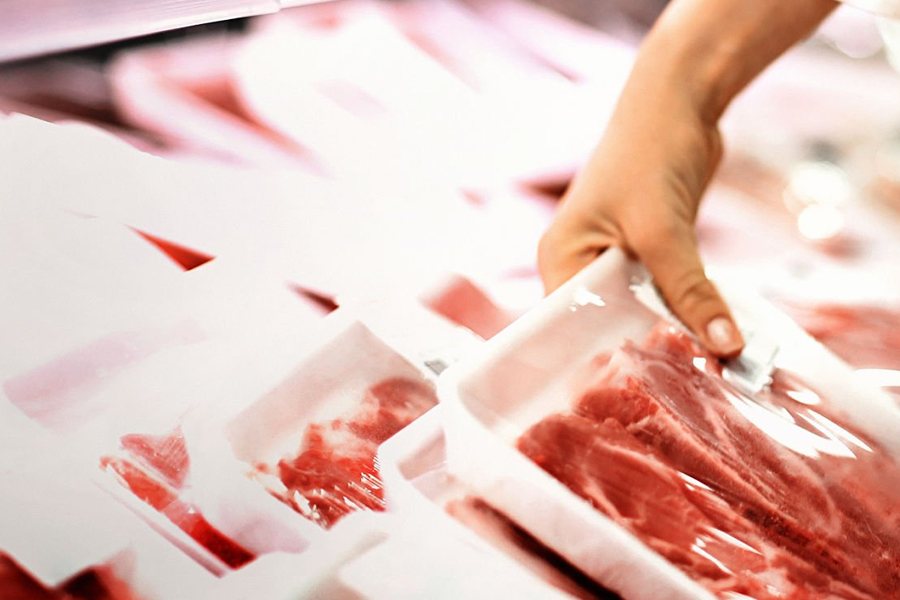
Boiled Lamb Experiment: Data Witnesses "Fresh and Fragrant Forever"
To verify the application value of HPP technology in pre-prepared dishes, a special experiment on boiled lamb was carried out:
Experimental process revealed:
● Carefully selected ingredients: fresh lamb is washed and sliced, and cooked at 180℃ until cooked to restore the taste of home cooking;
● Vacuum lock freshness: the dishes and soup are sealed and packaged to create a sterile processing environment;
● High pressure sterilization: 600 MPa pressure for 5 minutes to start the "freshness preservation magic".
Authoritative test data (Huace test report number: A2250306585101004C):
● The total number of colonies, coliforms, molds and pathogenic bacteria (such as Staphylococcus aureus and Salmonella) are all below the detection limit, far exceeding the national standard;
● The refrigerated storage period exceeds 1 month, and no preservatives are required throughout the process!
Intuitively, boiled lamb treated with HPP is tender and juicy, with a rich and fragrant soup, just like freshly cooked food, and the microbial indicators meet the highest safety standards for ready-to-eat food.
HPP: "Quality Accelerator" for the Industrialization of Pre-prepared Meals
Why can HPP become a breakthrough for the pre-prepared meal industry? Its core advantages directly hit the pain points of the industry:
● Taste revolution: low-temperature treatment avoids "aging" of meat, allowing pre-prepared meals to bid farewell to the label of "difficult to reheat";
● Nutritional preservation: Experiments show that HPP has a retention rate of more than 30% higher than traditional thermal sterilization for ingredients such as protein and vitamin C;
● Long-term preservation: physical sterilization alone can achieve a refrigerated shelf life of more than 30 days, which is in line with the development trend of cold chain logistics;
● Green and sustainable: low energy consumption and no chemical residues respond to the "dual carbon" goal and help the transformation and upgrading of the food industry.
From the laboratory to the production line, HPP technology is rewriting the quality rules of pre-prepared meals. Whether it is braised dishes containing oil or multi-component soups, it can find the golden balance between sterilization and quality, creating "differentiated competitiveness" for the company.