

In the field of modern food processing, the coordinated application of ultra-high pressure microfluidization homogenization technology and HPP low-temperature sterilization technology is gradually changing the traditional production model. Through the instantaneous impact force generated by high-pressure fluid, this type of technology can not only efficiently break material particles and achieve uniform mixing, but also simultaneously destroy the microbial cell structure, significantly reducing the survival rate of harmful bacteria. Compared with the traditional high-temperature sterilization process, this solution can complete sterilization without relying on heat energy, thereby avoiding the loss of heat-sensitive components such as vitamins and enzymes, and maximizing the retention of the natural flavor and nutritional value of food. With the introduction of intelligent pressure control modules, the operation accuracy and production stability are further improved, which is suitable for the processing needs of multiple categories such as dairy products, juice drinks, and functional foods, and provides key technical support for the construction of low-energy consumption and high-standard modern production lines.
Principle of ultra-high pressure sterilization technology
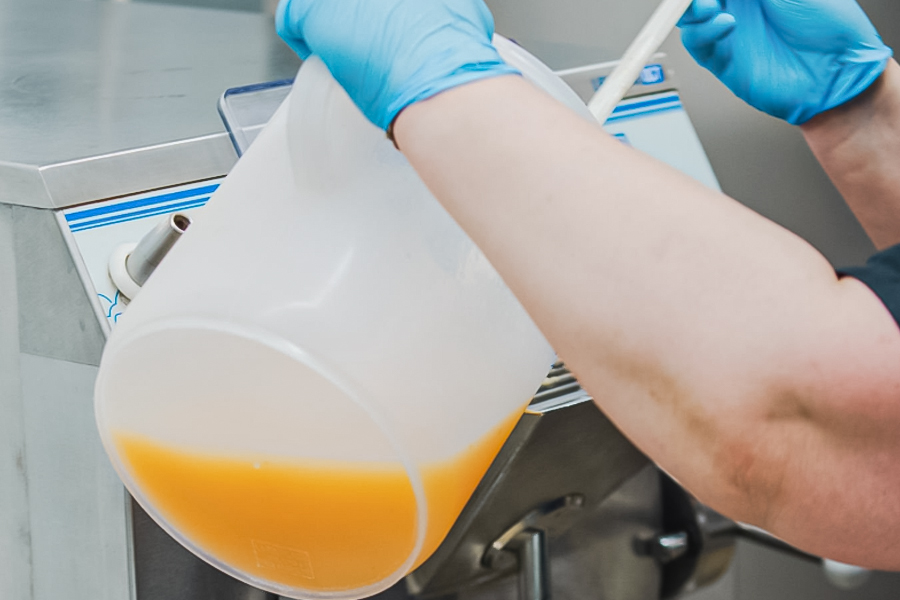
Ultra-high pressure sterilization technology (HPP) acts on sealed packaged food by applying liquid pressure of 200 to 600 MPa. Unlike traditional high-temperature sterilization, this process is completed at room temperature or low temperature, and the pressure energy directly penetrates the microbial cell structure, causing cell membrane rupture and protein denaturation. Studies have shown that high-pressure treatment for 5-8 minutes can effectively inactivate common pathogens such as Escherichia coli and Salmonella, while forming an inhibitory barrier against spore-like microorganisms. Because the pressure is evenly distributed in the liquid medium, there will be no local overheating inside the food, and heat-sensitive components such as vitamins and enzymes can be completely retained. The pressure parameters can be dynamically adjusted according to the characteristics of the material. For example, acidic beverages and dairy products are adapted to different sterilization intensity thresholds.
Advantages of microfluidization homogenization technology
Microfluidization homogenization technology can refine material particles to micrometers or even nanometers within milliseconds through the shear force and cavitation effect generated by ultra-high pressure fluids. Compared with traditional mechanical stirring or colloid milling treatment methods, this process improves the dispersion efficiency of ingredients such as oils and proteins by about 40%, and significantly improves the uniformity of particle size distribution. For example, in the production of plant protein beverages, microfluidization treatment can keep the diameter of suspended particles stable within 2μm, avoid stratification and improve the smoothness of the taste. This physical treatment mode does not require high temperature intervention throughout the process, which not only protects active substances such as heat-sensitive vitamins, but also avoids the risk of residual chemical additives. What is more noteworthy is that the system can automatically adjust the pressure parameters according to the viscosity of the material, and the processing time of a single batch can be shortened to 1/3 of the traditional process, showing strong adaptability in continuous production lines such as dairy products and seasoning sauces.
Intelligent control and energy-saving production
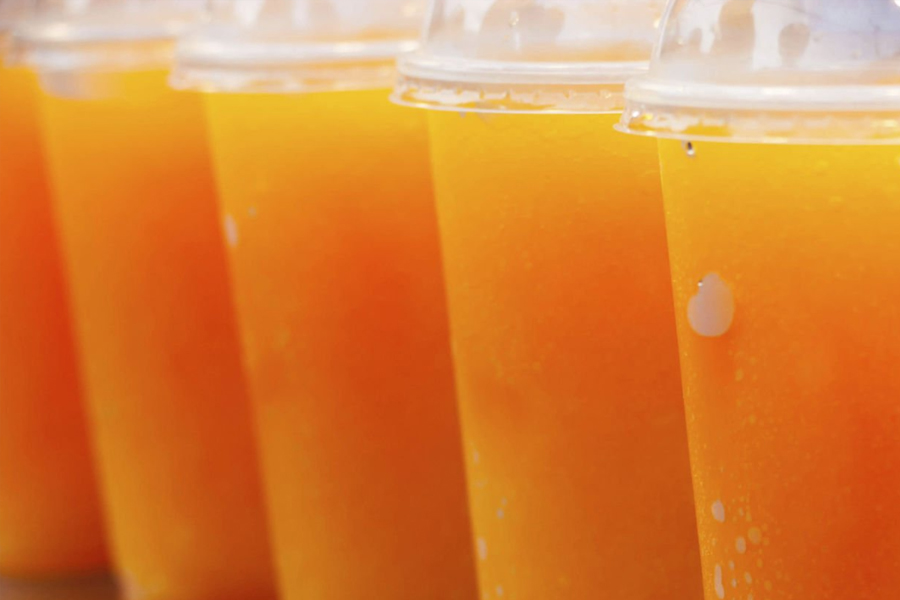
In the modern food processing system, the intelligent control system provides precise operation guarantee for ultra-high pressure microfluidic homogenization and HPP sterilization technology. By integrating sensors and algorithm modules, the equipment can monitor pressure, temperature and flow parameters in real time, and dynamically adjust the processing intensity according to the characteristics of the material. For example, in dairy processing, the system can automatically identify viscosity differences and achieve the dual goals of homogenization and sterilization with the lowest energy consumption, reducing energy consumption by about 30% compared with traditional processes. At the same time, the data acquisition module continuously records production data to help optimize the equipment operation mode and reduce material loss caused by manual operation errors. This intelligent linkage mechanism not only improves the stability of the production line, but also promotes enterprises to build a low-carbon production model through energy consumption monitoring functions, saving costs for long-term operations.
Multi-scenario application solutions
The combination of ultra-high pressure microfluidic homogenization and HPP sterilization technology demonstrates strong scenario adaptation capabilities. In the field of beverage processing, this technology can simultaneously complete the cell wall crushing and microbial inactivation of juice, completely retain the active ingredients and natural flavor, and avoid the color deterioration problem caused by traditional high temperature. In dairy production, the microfluidization process can accurately control the particle size of fat globules, giving the product a more delicate texture, while HPP sterilization effectively eliminates the risk of pathogens such as Salmonella and extends the shelf life of low-temperature fresh milk. For high-viscosity materials (such as plant protein beverages), the system dynamically adjusts the pressure parameters to ensure the balance between homogenization effect and sterilization efficiency. In addition, this technology can also be extended to categories such as condiments and pre-prepared dishes, and modular design can be used to achieve rapid switching of production lines to meet the needs of small-batch customized production. The intelligent control platform further integrates the process database, supports the call of preset parameters for different scenarios, and significantly reduces the complexity of operation and energy consumption costs.
By integrating ultra-high pressure microfluidization homogenization and HPP low-temperature sterilization technology, the food processing field has achieved a dual improvement in process efficiency and quality. From the actual application effect, this type of technology can not only effectively eliminate harmful microorganisms, but also avoid high temperature damage to food ingredients through precise pressure regulation. It is especially suitable for dairy products, fruit juices and other categories that are sensitive to flavor and nutrition. With the popularization of intelligent control modules, energy consumption in the production process has been significantly reduced. At the same time, the equipment can automatically adjust the operating parameters according to the characteristics of different materials, further expanding the technology adaptation scenarios. It is worth noting that the combination of this technology system and environmentally friendly packaging solutions provides new ideas for food companies to build a sustainable production chain, and may show greater potential in emerging markets such as pre-prepared foods and functional beverages in the future.