

The Modern Dilemma of an Ancient Fruit
Traditional thermal sterilization extends shelf life but comes with significant drawbacks:
Severe Nutrient Loss: Over 40% of anthocyanins degrade at temperatures exceeding 70°C, while Vitamin C retention drops below 60%.
Vanished Unique Flavor: High heat volatilizes the distinct caramelized sour aroma crucial to tamarind's appeal.
Additives Conundrum: Preservatives are often necessary for long-distance shipping, clashing with the "clean label" (minimal or no additives) trend dominant in Europe and the US.
In 2023, Thailand's tamarind yield plummeted by 40%, driving prices sharply higher despite soaring global demand. This starkly highlights the reality: the world craves natural tamarind, but conventional technology fails to deliver it intact across continents.

Tech Breakthrough: How High Pressure Reshapes the Tamarind Value Chain
HPP Achieves Sterilization Without Heat
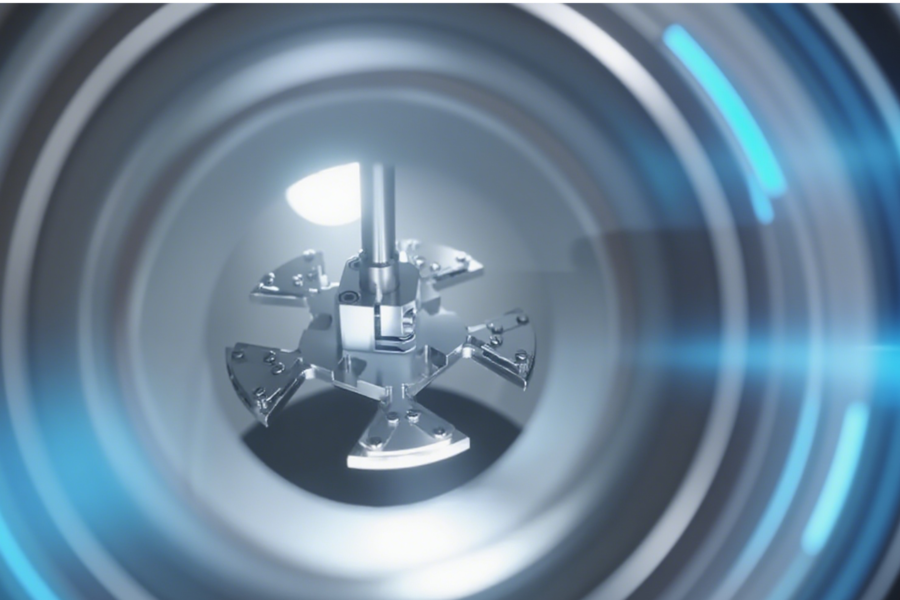
HiLock's high pressure processing (HPP) technology uses physical pressure, not heat, for sterilization, unlocking new possibilities for tamarind.
Inside a sealed vessel, pre-packaged tamarind juice is subjected to intense isostatic pressure of 600MPa (equivalent to 6 times the pressure at the bottom of the Mariana Trench). This high pressure instantly penetrates microbial cell membranes, denaturing proteins and inactivating enzymes. It achieves up to 99.9% inactivation of pathogens like Salmonella. Crucially, as pressure doesn't break covalent bonds in food, over 95% of heat-sensitive compounds like Vitamin C and anthocyanins are preserved – far surpassing the 60%-70% retention of thermal processing. Without additives, the refrigerated shelf life of HPP-treated tamarind juice leaps from just 3 days to 45 days, creating a vital window for global logistics. This entire process takes only 3-5 minutes at ambient temperature, vastly outperforming traditional methods while eliminating thermal damage to flavor and nutrients.
Microfluidization Enhances Taste & Nutrient Bioavailability
While HPP solves sterilization, HiLock's high pressure microfluidization technology elevates texture and nutrient release.
Tamarind pulp is forced at pressures up to 500MPa through diamond-interaction chambers at near-supersonic speeds. The immense shear forces instantly rupture cell walls, liberating more antioxidants. Simultaneously, pulp particles are reduced below 300 nanometers, yielding a smoother mouthfeel and boosting human nutrient absorption by over 20%.
Research by China Agricultural University confirms a 35% increase in released anthocyanins from tamarind juice processed this way. Remarkably, it remains stable without emulsifiers for over three months, showing no separation. This means consumers absorb nearly 1.8 times more anthocyanins compared to fresh-pressed tamarind juice from Bangkok streets. The technology not only preserves tamarind but significantly enhances its value.
The Global Tech Pathway for Tamarind
2024 industry data reveals the global HPP-processed food market exceeds $25 billion, with functional beverages as the fastest-growing segment – tamarind's most promising avenue.
Breaking the "Clean Label" Barrier: Strict EU and US regulations limit additives. HPP enables tamarind juice to achieve a 45-day refrigerated shelf life without preservatives, perfectly aligning with the premium "clean label" demand.
Boosting Functional Value: Tamarind's natural antioxidants align with the global anti-aging food trend. HPP protects heat-sensitive functional compounds, while microfluidization transforms it into a nano-scale functional ingredient. With 1.8x greater anthocyanin bioavailability, it's ideal for high-value NFC juices and nutricosmetics – a $48 billion market.
Strengthening Supply Chains: A Chinese enterprise in Hubei, after installing high pressure lines, now produces 18,000 bottles per hour and successfully supplies European supermarkets. This offers a replicable model for tamarind export markets.
HiLock: Powering Tamarind's Global Reach
As a leader in high pressure technology with nearly 20 years of expertise, HiLock continuously innovates in HPP and microfluidization. Holding over 40 core patents, its technology is certified by the FDA, EU Regulation 10/2011, and other global authorities. With a stable international network serving 500+ enterprises, HiLock processes over a million tons of ingredients annually, empowering tamarind and other unique foods to conquer global markets.
From highly perishable Thai orchard tamarind to a globally shipped product retaining its natural flavor and nutrition, HiLock's high pressure technology resolves the ancient fruit's modern predicament. It not only reshapes tamarind's value but pioneers a green, efficient path in food processing. This brings authentic Southeast Asian flavors to more consumers worldwide and injects robust technological power into the global circulation of precious ingredients.