


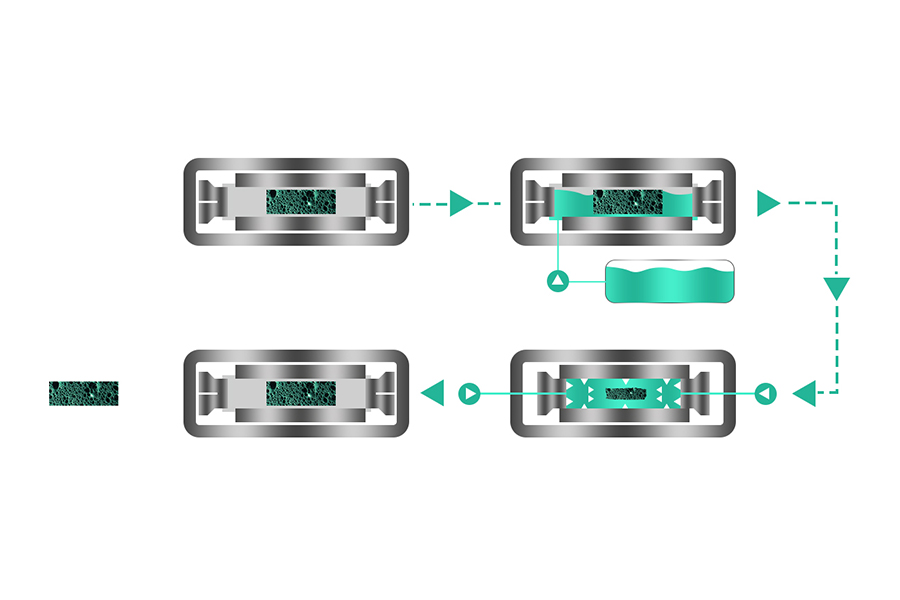
Ultra-high pressure sterilization technology (HPP high-pressure non-thermal sterilization) uses ultra-high pressure (usually between 100-1000MPa) to process food to achieve the purpose of sterilization and preservation. Under ultra-high pressure, microorganisms in food will be under extreme pressure, causing their cell structure to be destroyed and thus lose their activity. Unlike traditional heat sterilization methods, ultra-high pressure sterilization is performed at normal or lower temperatures, so the nutrients, color, flavor and taste of the food can be retained to the greatest extent.
Unique advantages of ultra-high pressure sterilization technology
1. Highly efficient sterilization
Ultra-high pressure sterilization technology has a significant killing effect on various microorganisms. Whether it is bacteria, fungi or viruses, it is difficult to survive under the influence of ultra-high pressure. For example, some common foodborne pathogenic bacteria such as Escherichia coli and Staphylococcus aureus can be effectively killed by ultrahigh pressure. This makes food processed by ultra-high pressure safer and greatly reduces the risk of food poisoning.
2. Maintain food quality
Traditional heat sterilization methods often result in the loss of nutrients, color changes and flavor loss in food. Ultra-high pressure sterilization technology can well retain the original quality of food because it is performed at low temperatures. For example, for fresh juice, ultra-high pressure treatment can maintain its rich vitamins, minerals and natural flavors without giving the juice a cooked taste like heat sterilization. For meat and seafood products, ultra-high pressure processing can maintain their tender taste and color and extend their shelf life.
3. Wide applicability
Ultra-high pressure sterilization technology is suitable for various types of food, including liquid food (such as juice, milk, beer, etc.), solid food (such as meat, seafood, fruits, vegetables, etc.) and semi-solid food (such as jam, jelly, etc.) ). Whether it is highly acidic food or low acidic food, ultra-high pressure sterilization technology can work well. This makes the technology widely applicable in the food industry and can meet the freshness preservation needs of different consumers for various foods.
4. Environmental protection and energy saving
Compared with traditional thermal sterilization methods, ultra-high pressure sterilization technology does not require the use of high-temperature heating, so it can greatly save energy consumption. At the same time, no harmful substances are produced during the ultra-high pressure sterilization process, which is environmentally friendly. This is in line with today's society's requirements for environmental protection and energy conservation, and helps promote the sustainable development of the food industry.

Key components of ultrahigh pressure sterilization equipment
1. Ultra-high pressure supercharger
The ultra-high pressure booster is one of the core components of ultra-high pressure sterilization equipment. Its main function is to pressurize low-pressure liquid (usually water) to the required ultra-high pressure state. The performance of ultra-high pressure booster directly affects the working efficiency and reliability of ultra-high pressure sterilization equipment. Currently, there are two main types of ultra-high pressure superchargers on the market: hydraulic and electric. Hydraulic superchargers have the advantages of high pressure and good stability, but are larger in size and require higher maintenance costs; electric superchargers have the advantages of small size and easy operation, but have relatively low pressure.
2. Ultra-high pressure vessel
Ultra-high pressure vessels are equipment used to contain food and ultra-high pressure liquids. It needs to have the characteristics of high strength, high sealing and good corrosion resistance. The design and manufacturing of ultra-high pressure vessels is one of the keys to ultra-high pressure sterilization technology. At present, commonly used ultra-high pressure vessel materials include high-strength alloy steel, titanium alloy, etc. These materials have good mechanical properties and corrosion resistance, which can ensure the safety and reliability of ultra-high pressure vessels during long-term use.
3. Ultra-high voltage accessories
In addition to ultra-high pressure boosters and ultra-high pressure vessels, ultra-high pressure sterilization equipment also requires some other accessories, such as pressure sensors, temperature sensors, safety valves, etc. The function of these accessories is to monitor and control parameters such as pressure and temperature during the ultrahigh pressure sterilization process to ensure the safe operation of the equipment. At the same time, some ultra-high-pressure accessories can also improve the automation and work efficiency of the equipment, such as automatic control systems, material conveying systems, etc.
Ultra-high pressure sterilization technology has opened up a new path for food preservation with its unique advantages of efficient sterilization, maintaining food quality, wide applicability, environmental protection and energy saving. As ultra-high pressure sterilization equipment continues to improve and its application scope continues to expand, this technology will play an increasingly important role in the food industry, providing people with safer, nutritious and delicious food.