

With the rapid development of the pre-prepared food industry, complex dishes such as boiled beef are facing the contradiction between sterilization and quality. Although traditional high-temperature sterilization can kill microorganisms, it can easily lead to hardening of meat, loss of flavor, and even loss of nutrients such as protein. How to ensure food safety while retaining the "freshly made taste" has become a difficult problem that the industry needs to solve urgently.
The introduction of HPP (low temperature and ultra-high pressure) technology provides an innovative solution to this dilemma. Through the action of 100-600 MPa ultra-high pressure hydrostatic pressure, the microbial cell structure can be accurately destroyed through low temperature and high pressure without high temperature, thereby achieving efficient sterilization. This technology is redefining the quality standards of pre-prepared dishes.
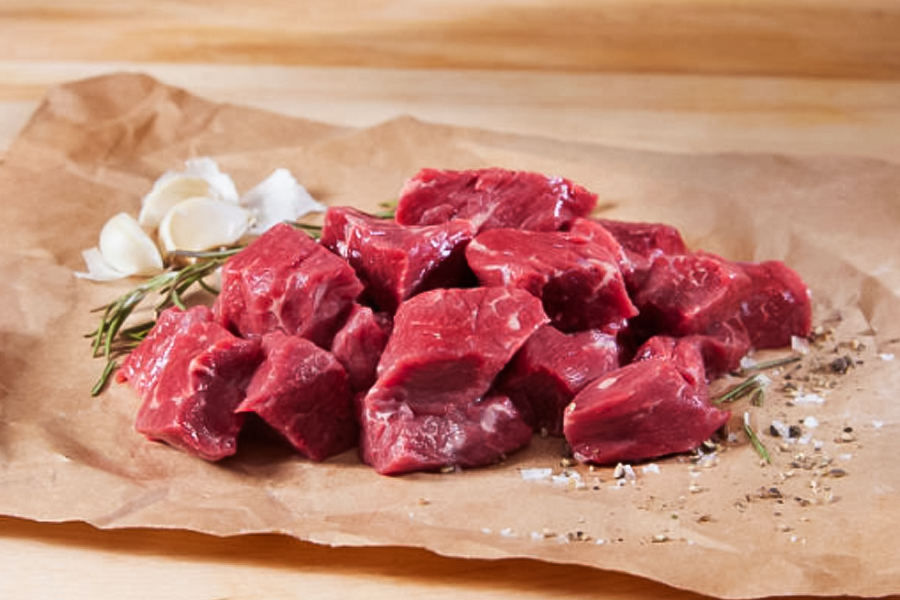
Three major advantages of HPP low-temperature sterilization technology:
1. Non-thermal freshness locks in, retaining the "kitchen smoke"
● Low-temperature treatment throughout the process to avoid meat aging caused by protein denaturation
● Completely retain the complex flavor layers such as the aroma of chili oil and the mellowness of bean paste
● The soup is clear and non-flocculated, restoring the freshly cooked feeling
2. Microbial inactivation rate > 99.99%, safety is visible
● After authoritative testing, indicators such as total colony count and coliform group are significantly lower than national standards
● Foodborne pathogens such as Salmonella and Listeria are zero detected
● Vacuum packaging + HPP treatment double barrier to block secondary pollution
3. The shelf life exceeds 30 days, and the commercial value doubles
● Storage stability under refrigerated environment is increased by more than 3 times
● The fluctuation rate of color and texture parameters within 30 days is <5%
● The radius of the supply chain has been expanded to 800 kilometers, helping the national channel layout
From the laboratory to the production line: a panoramic view of the implementation of technology
Through the standardized process flow - fresh meat pretreatment → precision cooking → vacuum packaging → gradient pressurization, HPP technology has achieved industrial application:
● Energy consumption is reduced by 40%: significantly energy-saving compared with traditional high-temperature sterilization
● Production efficiency is increased by 25%: the daily processing capacity of a single machine reaches 2 tons
● Zero-additive commitment: long-term preservation can be achieved without preservatives
The future is here: redefining the quality benchmark of pre-prepared meals
With the upgrading of consumers' demand for "long-term freshness", HPP technology is triggering a deep change in the pre-prepared meal industry. It is not only an iteration of the sterilization process, but also an exploration of the sustainable development path of the food industry - with lower energy consumption and higher quality standards, industrial production and kitchen craftsmanship can be perfectly integrated.