

In the food processing industry, ultra-high pressure sterilization (HPP) technology is setting off a cold sterilization revolution and reshaping food safety rules. As a non-thermal sterilization method, HPP inactivates microorganisms at room temperature through ultra-high hydrostatic pressure, breaking through the limitations of traditional heat treatment. This article will systematically analyze how this innovation can preserve food nutrition and flavor from technical principles to practical applications, while promoting the trend of zero-added preservatives.
Introduction to ultra-high pressure sterilization technology
Ultra-high pressure sterilization technology, referred to as HPP, represents a cutting-edge non-thermal sterilization method. By applying 200 to 600 MPa of hydrostatic pressure, pathogenic microorganisms and spoilage bacteria in food are completely inactivated at room temperature. This cold sterilization method breaks through the limitations of traditional heat treatment, avoids the damage of high temperature to food structure and nutrition, and ensures the overall improvement of food safety. Its core is to use physical pressure rather than heat to rupture and inactivate the cell membrane of microorganisms. The process is efficient and environmentally friendly.
Food companies can give priority to HPP technology to maximize the retention of the original flavor and nutrients of the product while reducing the use of chemical preservatives.
HPP technology has a wide range of applications, from liquid beverages to ready-to-eat meats, and has shown significant sterilization effects, providing a reliable non-thermal solution for modern food processing.
Detailed explanation of the working principle of HPP
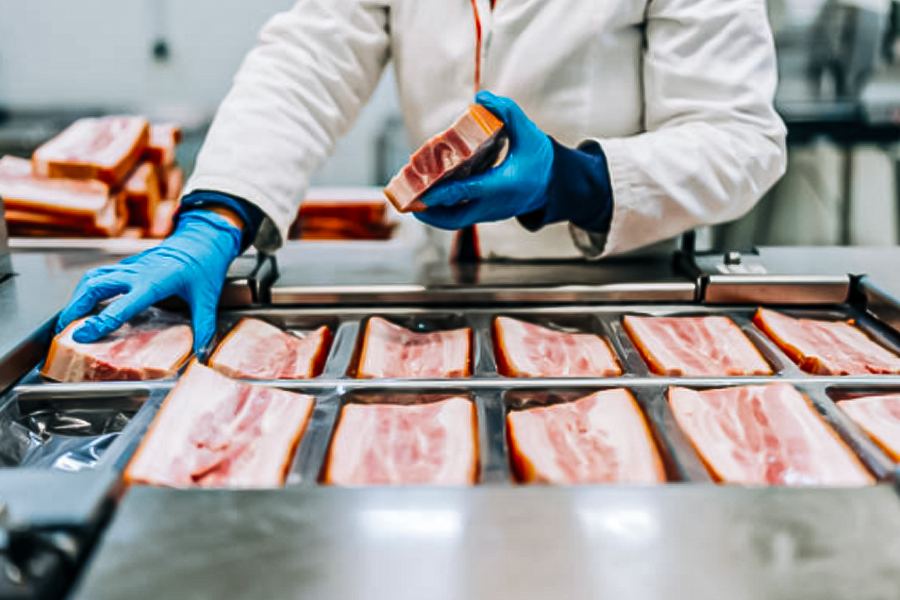
The core of ultra-high pressure sterilization technology (HPP) is to use ultra-high hydrostatic pressure to achieve non-thermal sterilization. The process is to immerse the pre-sealed packaged food in a pressure vessel filled with a liquid medium (usually water). Subsequently, the system applies a huge pressure of up to 600 megapascals (MPa) or even higher to the container in a very short time (usually within a few minutes). The transmission of this pressure is omnidirectional and uniform (isostatic process), and it directly acts on the food and all microorganisms inside it through the liquid medium. In such an extreme high-pressure environment, water molecules can strongly penetrate the cell membrane of microorganisms, causing irreversible physical damage to their cell structure, including cell membrane perforation, inactivation of key enzymes, and protein denaturation, thereby effectively killing various microorganisms including pathogens and spoilage bacteria. It is worth noting that the entire process is completed at room temperature or lower temperature, and is completely independent of the high temperature conditions required for traditional thermal sterilization.
Analysis of the core advantages of cold sterilization
Compared with traditional thermal sterilization methods, the core advantage of ultra-high pressure sterilization (HPP), a non-thermal sterilization technology, lies in its physical sterilization nature. It uses ultra-high hydrostatic pressure (usually above 600MPa) to effectively kill pathogenic microorganisms (such as Salmonella, Listeria) and spoilage bacteria in food at room temperature or near room temperature. This process avoids the thermal damage to food caused by high temperature to the greatest extent. Thanks to this, heat-sensitive vitamins (such as vitamin C, B vitamins), natural pigments, flavor substances and enzyme activity in food are fully preserved, and the preservation rate of its nutritional value and original flavor generally exceeds 90%. At the same time, since high-pressure treatment itself can meet commercial sterility requirements, HPP technology provides physical guarantee for achieving "zero added preservatives", significantly improves the safety and clean label attributes of food, and caters to the urgent needs of modern consumers for natural and healthy food.
Perfect preservation of nutrition and flavor
Unlike traditional thermal sterilization methods, ultra-high pressure sterilization (HPP) technology applies a hydrostatic pressure of more than 600MPa at room temperature, which can not only effectively inactivate pathogenic microorganisms, but also protect the nutritional value of food to the greatest extent. Research data shows that the cold sterilization process can retain more than 90% of vitamins, minerals and enzyme activity, while maintaining the original flavor of the food, avoiding nutrient loss and taste deterioration caused by heat treatment. This non-thermal sterilization method provides a physical barrier for food safety, ensuring that consumers enjoy a healthy and natural food experience.
Zero-additive preservative revolution
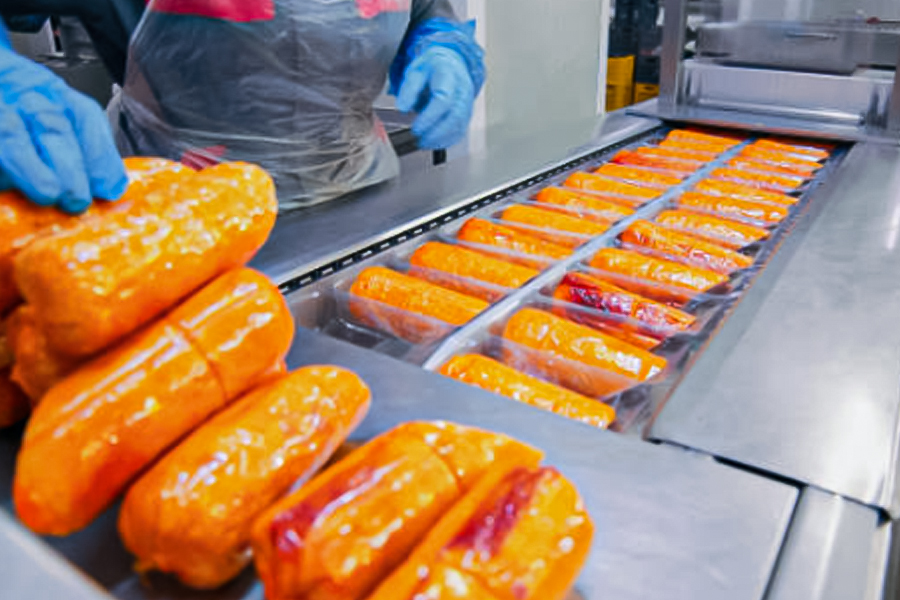
The use of chemical preservatives has long been regarded as an important means to ensure food safety, but it is also accompanied by consumers' concerns about health risks. The application of ultra-high pressure sterilization (HPP) technology provides a revolutionary physical solution to this dilemma. It is precisely based on its powerful non-thermal sterilization mechanism that the technology can effectively inactivate microorganisms that cause food spoilage and foodborne diseases, including bacteria, yeast and mold, at room temperature. This physical "cold sterilization" effect directly eliminates the reliance of food on chemical preservatives during processing and subsequent shelf life. Accordingly, food labels have been significantly simplified, and "clean labels" have become a reality, which not only meets consumers' strong demands for natural and additive-free products, but also avoids health concerns that may be caused by the addition of preservatives, and establishes a safer and more transparent physical barrier for food manufacturers.
A new era of food applications has begun
Based on the above-mentioned breakthrough advantages, ultra-high pressure sterilization technology (HPP) is reshaping the application landscape of the food industry with unprecedented breadth, opening a new era of safety and quality. This technology is particularly suitable for categories with extremely high requirements for freshness, taste and nutritional integrity. In the field of liquid food, HPP provides a perfect solution for everything from cold-pressed juice and NFC juice that retain freshly squeezed flavor to milk and plant protein drinks that can be safely stored and transported without high-temperature sterilization. For ready-to-eat meat products, such as cold-cut ham and salad chicken breast, this cold sterilization technology can effectively kill stubborn foodborne pathogens such as Listeria, greatly extending the safe shelf life while maintaining the original tenderness and juiciness of the meat. The cold chain fresh-cut fruit and vegetable industry has also benefited greatly. The processed fresh-cut fruits and ready-to-eat salads can lock in vitamins and crisp taste to the greatest extent while ensuring microbial safety. The application of HPP continues to expand, and it is profoundly changing the food quality and safety standards from production to consumer terminals.
Reconstruction of the global quality standard system
Based on its physical sterilization properties and excellent safety assurance effects, ultra-high pressure sterilization technology (HPP) is profoundly influencing and promoting the upgrading of global food safety quality standards. The Codex Alimentarius Commission (CAC) and regulatory agencies in major markets such as Europe and the United States have begun to incorporate the effectiveness verification of the HPP process into the core considerations of the food safety management system, and gradually establish operating specifications and certification standards for different food categories and clear requirements for the inactivation of pathogenic microorganisms. This technology-driven standard iteration goes beyond the single temperature-time control mode of traditional thermal sterilization, prompting the global food processing industry to shift to a multi-dimensional quality assurance framework with scientifically verified non-thermal sterilization effects as the core, combined with cold chain control and packaging integrity. In order to meet the increasingly stringent global market access, companies are accelerating the adoption of HPP and reconstructing their HACCP plans and quality certification systems accordingly, striving to achieve seamless safety control from source to shelf. Regulators and industry organizations are also continuously optimizing standards to adapt to the new requirements for quality improvement and shelf life extension brought about by the application of HPP in a wide range of fields such as liquid food, ready-to-eat meat products and fresh fruit and vegetable preservation.
As a model of non-thermal sterilization, ultra-high pressure sterilization technology (HPP) has completely changed the traditional food safety framework through the cold sterilization mechanism. It not only ensures the efficient inactivation of pathogenic microorganisms, but also achieves the near-perfect retention of nutrients and original flavors, while promoting the widespread use of zero-added preservatives. The popularity of this technology in liquid food, ready-to-eat meat and cold chain fresh fruit is leading the reconstruction of the quality standard system of the global food processing industry. In the future, with the continuous optimization and large-scale application of HPP technology, food safety rules will usher in more profound changes, providing consumers with healthier and more sustainable food protection.