

Durability is a feature that we often take for granted in our daily lives. Consider your stainless steel frying pan: after months of use, the bottom starts to warp, the edges crack, and it becomes difficult to clean due to oil stains penetrating tiny cracks. Or think about thermos cups, which lose their insulation ability after just a few months, no longer keeping your drinks hot for as long as they once did. Even the metal contacts in your smartphone’s charging port can wear out over time, leading to poor connections from quick abrasion. These common problems with everyday items highlight the challenges that manufacturers face in material processing, and isostatic pressing technology offers a promising solution.
The "Durability Dilemma" of Stainless Steel Frying Pans
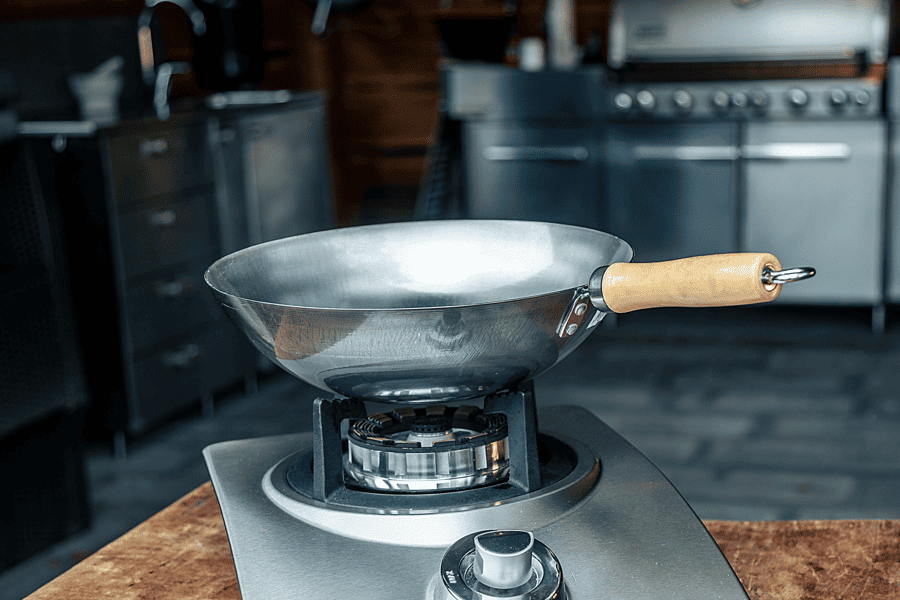
Take the example of a stainless steel frying pan—something many of us use daily. Initially, it feels sturdy and reliable, but after only a few months, its bottom starts to warp. The heating becomes uneven, and the edges crack, forming tiny crevices where oil stains accumulate and are difficult to clean. In the worst case, some pans begin to "shed" particles, which raises health concerns, forcing users to replace them. Similar issues arise in other household items, like thermos cups and stainless steel spoons. Despite being made of stainless steel, they don’t seem as durable as expected. These problems are not a result of poor material quality, but rather the limitations of traditional manufacturing methods.
The Hidden Problem: Internal "Porosity" in Materials
Upon closer inspection, it becomes clear that many metal products suffer from tiny pores within the material—microscopic voids that can’t be seen with the naked eye. These microvoids may seem insignificant, but they directly affect product performance. For frying pans, these pores lead to uneven heating, causing warping under high temperatures and making the edges more prone to cracking and leakage. Similarly, the internal pores in thermos cup liners increase heat transfer, reducing their insulation properties and shortening the time they keep drinks hot. These "invisible pores" are a key reason why everyday metal products don’t perform as expected in the long run.
Technical Cause: Uneven Pressure Transfer in Traditional Methods
So why do traditional manufacturing methods leave these internal pores? The root cause lies in the "uneven pressure transfer" during production. Stainless steel components are often made through "die-press forming," where metal powders are placed in molds, and pressure is applied from one direction—either top-down or side-to-side. However, metal powders tend to "rub against each other," which results in the loss of pressure during the transfer. The powder near the mold walls experiences higher pressure and compresses more effectively, while the powder at the center receives less pressure, leaving behind gaps. This is especially problematic for complex shapes, like the curved liner of a thermos cup, where pressure fails to reach all areas, resulting in more voids and weak spots. These uncompressed pores are weak points in the material, making it prone to failure over time.
What Is Isostatic Pressing?
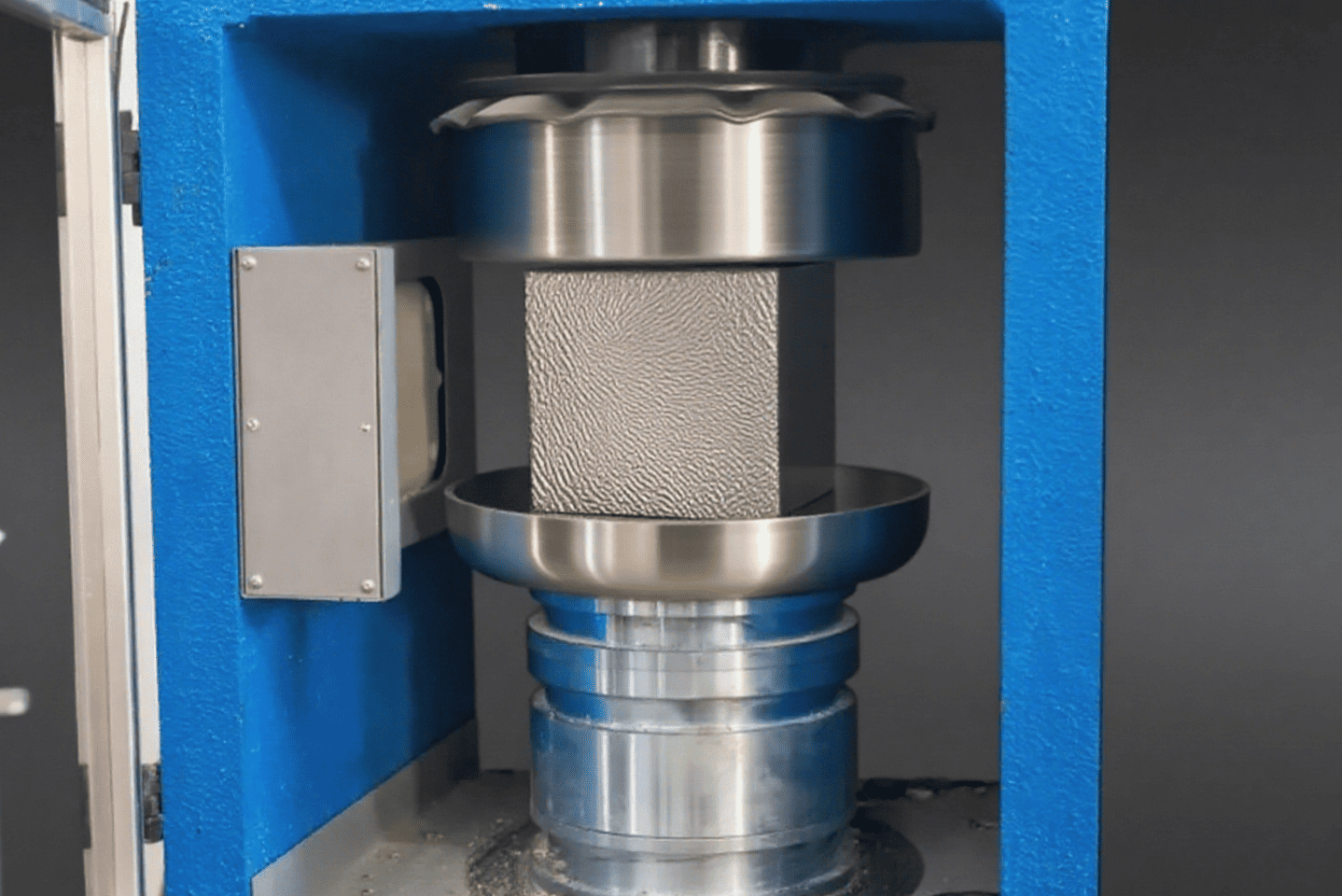
Isostatic pressing technology addresses the issue of "uneven pressure" by applying uniform pressure from all directions. Think of it like how swimming subjects the body to pressure evenly from every angle. In isostatic pressing, stainless steel powder (or billets) is placed into a sealed container filled with a liquid or gas. The equipment then applies pressure, gradually transmitting it evenly through the medium to ensure that every surface of the material receives equal pressure. This process effectively "presses out" any pores and results in a denser, more uniform material structure.
Isostatic pressing comes in three types based on the temperature used during processing:
-
Cold Isostatic Pressing: This process operates at room temperature, using liquids such as kerosene to transmit pressure, typically ranging from 100 to 630 MPa. It is widely applied for materials that can be processed without the need for heat.
-
Warm Isostatic Pressing: Conducted at intermediate temperatures (80-450°C), this method uses heat-resistant liquids or gases to transmit pressure (approximately 300 MPa). It is ideal for materials that are difficult to form at room temperature or those with complex shapes (such as the curved design of a spoon).
-
Hot Isostatic Pressing: This high-temperature process operates between 1000 and 2200°C, using inert gases like argon or helium to transmit pressure (100-200 MPa). It results in pore-free, highly dense products with optimal performance, although this method is more costly.
Advantages of Isostatic Pressing Technology
Compared to traditional methods, isostatic pressing offers several advantages that make it an attractive choice for manufacturers:
-
Higher Density, Greater Durability: Products made through isostatic pressing have a relative density of 99.8% to 99.99%, with internal pores largely eliminated or completely removed. This results in stronger, more durable materials.
-
Uniform Structure, Stable Performance: The even application of pressure ensures that the density of the material is consistent throughout. This prevents weaknesses, such as "one side being hard and the other soft," making isostatically pressed components more reliable in the long run. For example, metal contacts in smartphones processed through cold isostatic pressing show a 60% reduction in surface wear, ensuring a good connection even after years of use.
-
Adaptability to Complex Shapes: Isostatic pressing can apply uniform pressure to intricate shapes, whether it’s the curved edge of a frying pan or the recessed liner of a thermos cup. This solves the problem of traditional molds failing to reach certain areas, making it possible to produce more complex and durable products.
-
Reduced Contamination, Simplified Process: Traditional die-pressing methods often require lubricants to prevent the powder from sticking to the mold, which can introduce contaminants into the material. Isostatic pressing eliminates this need for lubricants, ensuring cleaner, safer products with fewer post-processing steps.
Isostatic Pressing Technology in Everyday Products
Isostatic pressing technology, once limited to high-end fields such as aerospace and medical applications, is now expanding into consumer goods. In 2023, the global market for isostatic pressing equipment reached $1.5 billion, with the consumer goods sector growing by over 25%. Manufacturers of kitchenware and electronics are increasingly adopting this technology to improve the durability and performance of their products. For example, a well-known thermos brand used hot isostatic pressing to produce more durable liners, leading to a 30% increase in sales and widespread positive feedback for their products' superior heat retention and better drop resistance.
As consumer demand for long-lasting products continues to rise, isostatic pressing technology is poised to become even more widespread. From durable home appliance parts to safe, food-contact metals, isostatic pressing is set to revolutionize the materials processing industry and deliver high-performance products that meet consumer expectations.
How HiLock Supports Innovation with Isostatic Pressing
At HiLock, we specialize in providing advanced HPP solutions like isostatic pressing. Whether you need high-performance components for the aerospace industry or durable consumer goods, our expertise in isostatic pressing ensures that your products meet the highest standards of quality, durability, and precision.
We are committed to helping industries improve product performance by utilizing innovative techniques like isostatic pressing, delivering components that outperform traditional manufacturing methods. Contact us today to learn more about how we can support your manufacturing needs with cutting-edge solutions.
Conclusion
Isostatic pressing technology is revolutionizing material processing by addressing key issues like porosity and uneven pressure, which have long plagued traditional manufacturing methods. By offering enhanced density, improved durability, and the ability to process complex shapes, isostatic pressing is rapidly becoming a preferred choice for industries looking to improve the quality and performance of their products. Whether you are in the consumer goods sector, aerospace, or medical fields, incorporating isostatic pressing into your production processes can unlock new levels of product performance and longevity.
As consumers demand more durable and reliable products, isostatic pressing will continue to play a pivotal role in the future of manufacturing. For companies seeking to stay ahead in this competitive landscape, adopting this technology is a crucial step toward success.